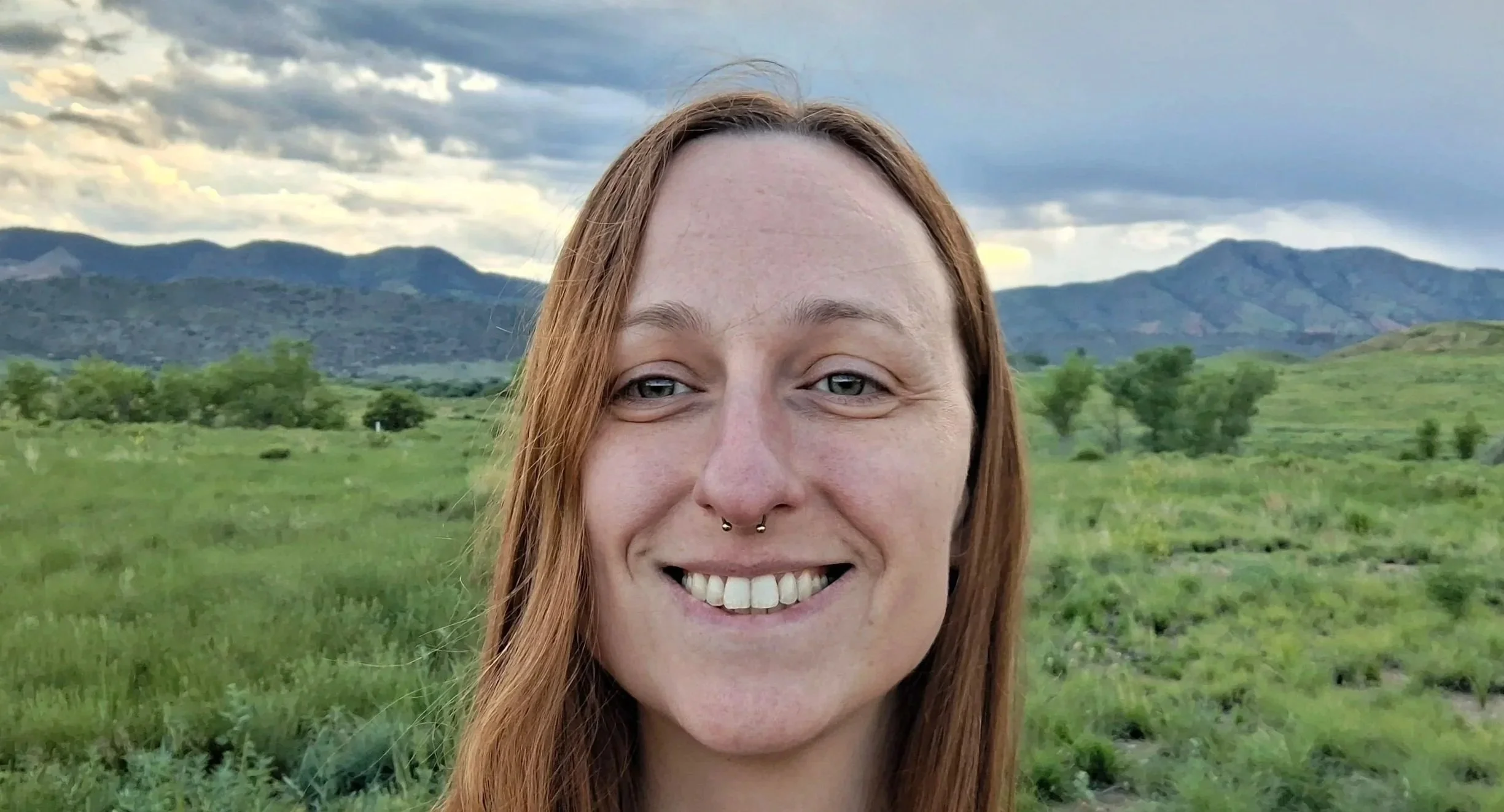
Hi, I’m Melanie.
I aim to provide a welcoming environment in which you can learn about yourself deeply, connect with what’s important to you, and experience meaningful transformation.
My style is warm, collaborative and down to earth.
My clients have described me as incredibly kind and understanding, as having a good sense of humor and realism, and of being highly attuned and intuitive.

I ground my practice in the fascinating science behind mental health and psychotherapy to illuminate our treatment.
This includes how the brain and nervous system develop and are shaped by experience, and how therapy and other experiences can bring measurable change. Visit my Education & Training and Specializations page to learn more about my clinical orientation.
Why I’m a Therapist
I chose this career path because of the impact my relationships with my own therapists have had on my life. Being with them every week helped me face my pain, anxieties and sadness and find much needed relief, and eventually — a continuously growing sense of freedom, authenticity and wholeness. It made a lot of sense to me when I heard, “We are broken in relationships and we are healed in relationships.” It is an incredible honor to be able to be there for others in this way– I feel so fortunate to have landed in such a meaningful and rewarding line of work.
Who I’ve Helped
I have helped clients with many presenting issues including anxiety, relationship issues, anger and aggression, depression and those untangling complex trauma and panic. Over the years, I have had the privilege of walking alongside a wide range of individuals finding their footing: adults healing from childhood wounds, analytical engineers and intuitive creatives designing purposeful lives, parents breaking generational cycles, neurodivergent minds (ADHD and High-Masking Autism) navigating a world not built for them, highly sensitive and deep-feeling souls, fellow healers and frontline helpers navigating their own unique human experience, young adults stepping into their own identity, and military service members and veterans working through specialized issues.
Personal Note
While formal clinical training grounds my practice, I believe that effective therapy is built on a foundation of genuine human connection. I share a bit about myself here simply to introduce my background, my interests, and the everyday experiences I bring with me into our sessions.
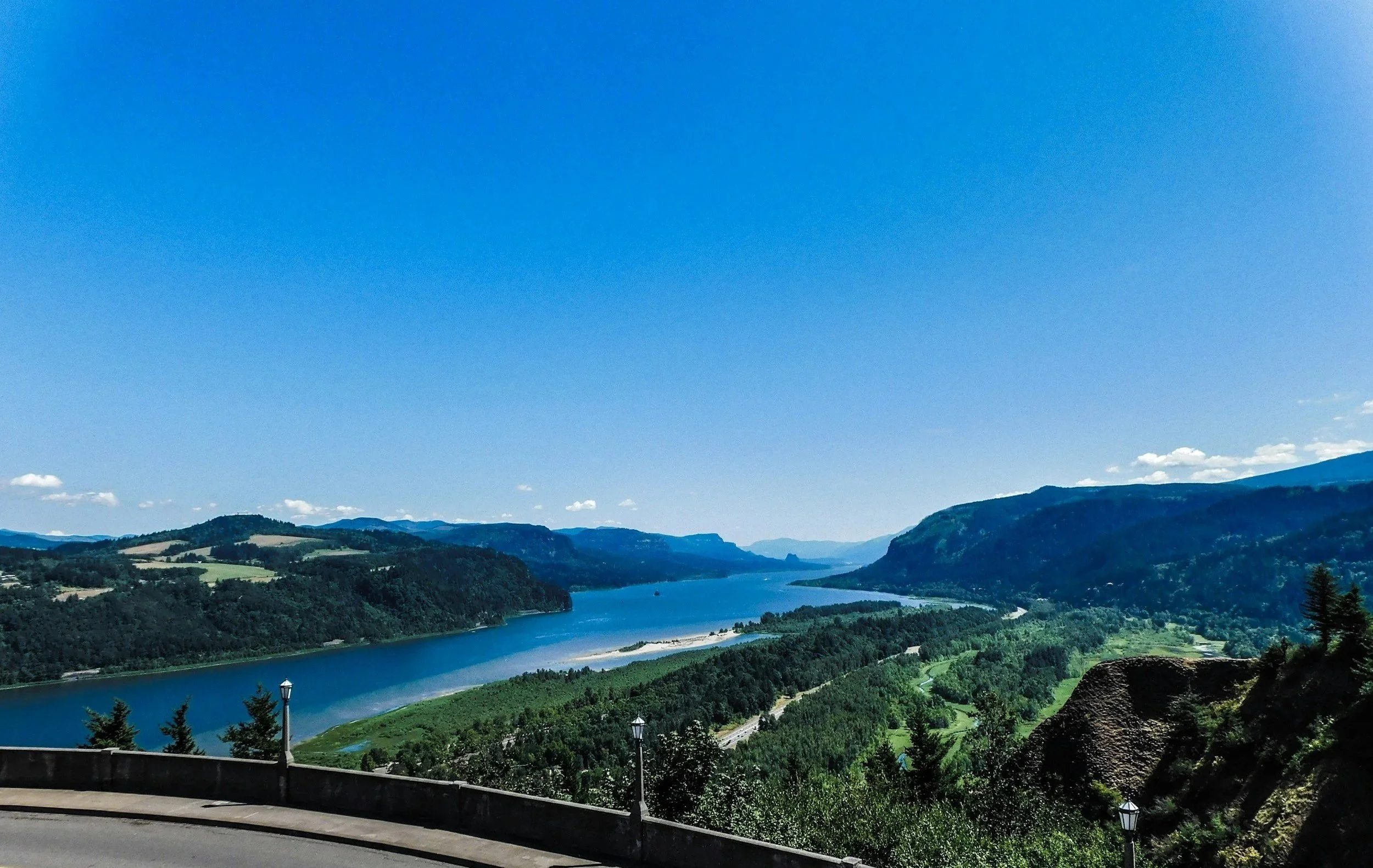
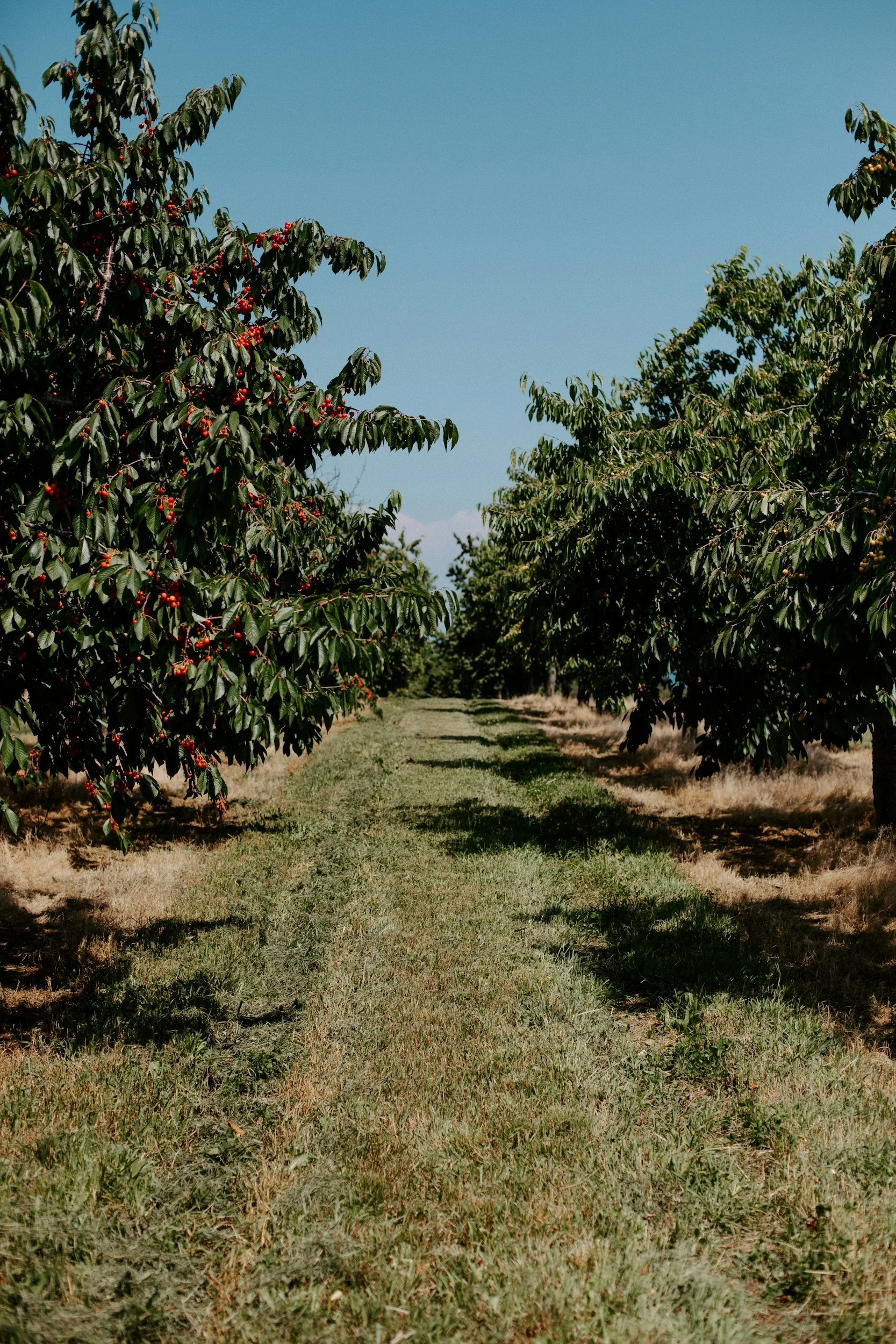
Growing up in a small town in Oregon’s Columbia River Gorge, I developed an enduring connection to the natural world. Many of my happiest early memories are rooted there—including riding horseback through cherry orchards alongside my "Big Sister" and mentor from the Big Brothers Big Sisters program. Today, that love for nature and quiet rhythm means you can usually find me hiking, biking, reading, tending to a growing collection of indoor plants, exploring outdoors, and spending quality time with my life partner.
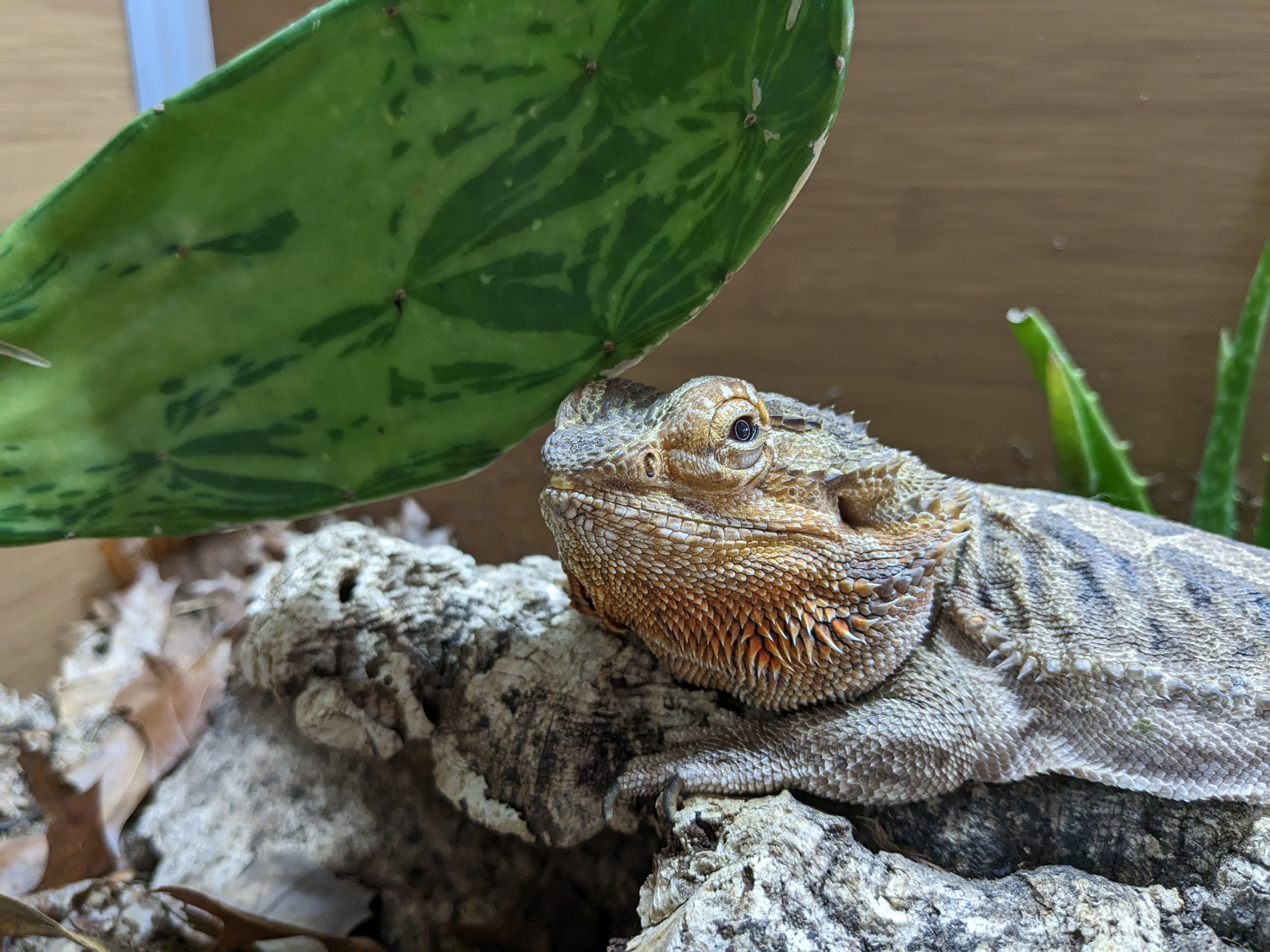
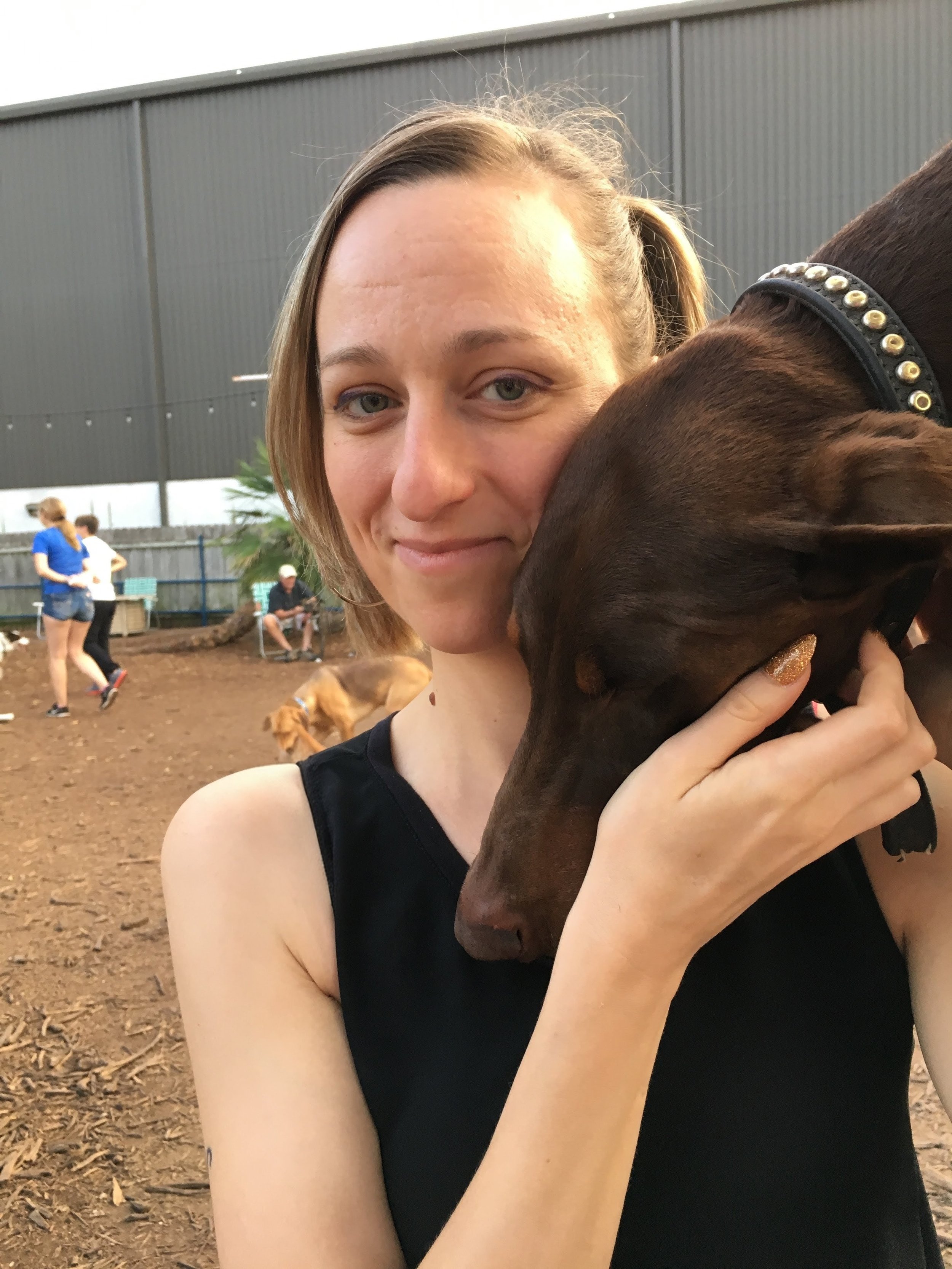
Animals hold a significant place in my heart; I currently sponsor a local, non-flighted prairie falcon at a wildlife refuge center, carry a deep fondness for the memory of my late, beloved senior bearded dragon, Xena, and look forward to welcoming a Doberman puppy into my world down the road.
A Few Things People Find Interesting About Me:
A Season of Stillness: I spent six months living in a Zen monastery in Oregon, immersed in the practice of formal meditation and mindfulness—an experience that deeply informed my appreciation for embodied presence.
A Neurodivergent Mind: I have ADHD and was diagnosed later in life, after completing graduate school. I don’t view it as a "superpower," but it is an intrinsic part of who I am—and I love how my brain works, and I wouldn’t have it any other way.
Bearded Dragon Enclosure: I built a custom enclosure for my bearded dragon, a fully bioactive natural desert environment, establishing a self-sustaining miniature ecosystem.
Movement and Culture: I studied abroad in Chile, where I discovered Capoeira and dedicated five years to practicing the martial art. After college, I lived in South Korea for three years teaching English and fully immersing myself in the vibrant (and sometimes exhausting) world of amateur dance. I also worked in Spain as a nanny.
An Enduring Love for Dobermans: Years ago, I befriended Duke, a Doberman Pinscher who worked as a guard dog at a local car dealership. For several years, I was lucky enough to "borrow" him on weekends, taking him with me everywhere as if he were my own. He sparked a lifelong love for the breed that continues today.
Being on The Road: I love being on the open road. Last year, I spent two weeks traveling across Colorado, Wyoming, Idaho, and Oregon—even setting up my digital workspace to support telehealth clients straight from my car for a week along the way.
If I Weren’t a Therapist: I would want to be a veterinarian or a firefighter.
Whether I am learning something new, watching a dark comedy, dancing, or spending time with loved ones, I strive to live with the same authenticity, curiosity, and respect for life's rhythms that I bring into our therapeutic work.
The Therapeutic Alliance
Decades of psychotherapy research consistently demonstrate a powerful truth: regardless of the specific clinical tools or techniques a therapist uses, the single most significant factor in whether a client feels better is the quality of their relationship with their therapist. In clinical research, this is known as the therapeutic alliance.
A truly effective therapeutic relationship relies on three distinct, collaborative components:
The Bond: A genuine, felt sense of emotional safety, warmth, and mutual respect. For healing to happen, your nervous system must first register that you are in a space where you can safely drop your armor, be deeply seen, and exist without judgment.
Shared Agreement on Goals: A collaborative understanding of where we are heading. We work together to define what "healing" and "thriving" look like for your unique life, ensuring you are always the author of your own growth.
Shared Agreement on Tasks: A mutual trust in the path we take to get there. Whether we are actively processing a memory using EMDR bilateral stimulation or mapping out a protective internal part through IFS, you will always understand the purpose behind our work and feel actively engaged in the process.
There are many types of effective treatments and excellent therapists. It’s great to take the time to research. It’s also normal to not know and just give someone a shot! Sometimes it takes a few tries to find a good fit, and sometimes we need different therapists for different seasons of our life or parts of our healing. Wherever you are I would be delighted to hear from you– and know that no commitment is required.
Reach Out