THERAPY SPECIALIZATIONS
EMDRIA states that EMDR has been found to be beneficial in treating a wide range of issues, including:
Anxiety, panic attacks, and phobias
Chronic Illness and medical issues
Depression and bipolar disorders
Dissociative disorders
Eating disorders
Grief and loss
OCD
Pain
Performance anxiety
Personality disorders
Post-Traumatic Stress Disorder (PTSD) and other trauma and stress-related issues
Sexual assault
Sleep disturbance
Substance abuse and addiction
Violence and abuse
EMDR for Trauma & Distressing Experiences
Healing Beyond Words
Traditional talk therapy engages the analytical mind, but distressing experiences are often stored in the "silent" regions of the brain—the parts responsible for survival and emotion. When a traumatic or distressing event occurs, the Hippocampus (the "librarian") can become overwhelmed, failing to time-stamp the memory as "finished” and storing it in a unprocessed suspended state where the Amygdala (the alarm system) treats it as an active threat. It is then consciously and unconsciously triggered and heavily influences how we are feeling, thinking or behaving in the moment.
Through EMDR (Eye Movement Desensitization and Reprocessing therapy), we help the alarm system realize “the fire is out,” allowing the Prefrontal Cortex (the rational brain) to finally process the event to resolution. Several mechanisms in EMDR support the brain’s natural processing power, such as the use of bilateral stimulation (similar to REM sleep)— by tracking a moving point, alternating tones, or rhythmic tapping—to reach stored experiences without overwhelming you, targeting the physiological roots of distress. By enabling the Hippocampus to "file" the memory away in the past where it belongs, we facilitate the biological shifts required for lasting emotional freedom.
To learn more about EMDR, including the evidence base and popular celebrities who have gone public about it’s role in their mental health, you can visit https://www.emdria.org/about-emdr-therapy/
Attachment-Focused Care & C-PTSD
Recovering After “Growing Up Too Fast”
Our earliest relationships form the blueprint for how we navigate the world, manage our emotions, and connect with others. When those early foundations involve chronic stress, unpredictable environments, or emotional gaps, the brain adapts by shifting into high-level survival strategies. For many high-functioning adults, this results in a quiet, exhausting struggle with Complex PTSD (C-PTSD)—a lingering state of chronic stress that stems not from a single terrifying event, but from a repeated lack of safety, attunement, or consistency in the environments where they grew up. If you learned early on, for example, that you had to hide your true feelings, anticipate everyone else's needs, or perform perfectly just to be acceptable, you know the profound exhaustion of carrying a hidden world of "not-enoughness."
Using Internal Family Systems (IFS)-informed/Parts Work, we don't treat your anxiety, people-pleasing tendencies, or inner critic as flaws to be fixed, but as deeply committed protective parts that stepped in when you needed them most. By combining this gentle, non-pathologizing parts-work with attachment-focusedEMDR, we target the root experiences that formed your negative core beliefs (like "I am unsafe" or "I am a burden"). Together, we work to heal how those experiences are stored in your nervous system, helping you move into a life of genuine self-compassion, authentic connection, and secure boundaries.
Personal Grounding in Early Childhood Development
I hold an adoration for children and a deep respect for their worlds. Long before entering my clinical graduate program, my understanding of human development was built on the ground through thousands of hours working directly with kids. Throughout my career, I have been consistently described as animated, playful and deeply attuned to their unique energies and needs.
My hands-on experience spans across diverse environments and developmental stages:
Early Roots: Years spent as a teenage babysitter and working as a volunteer youth mentor for afterschool programs throughout my high school and college days.
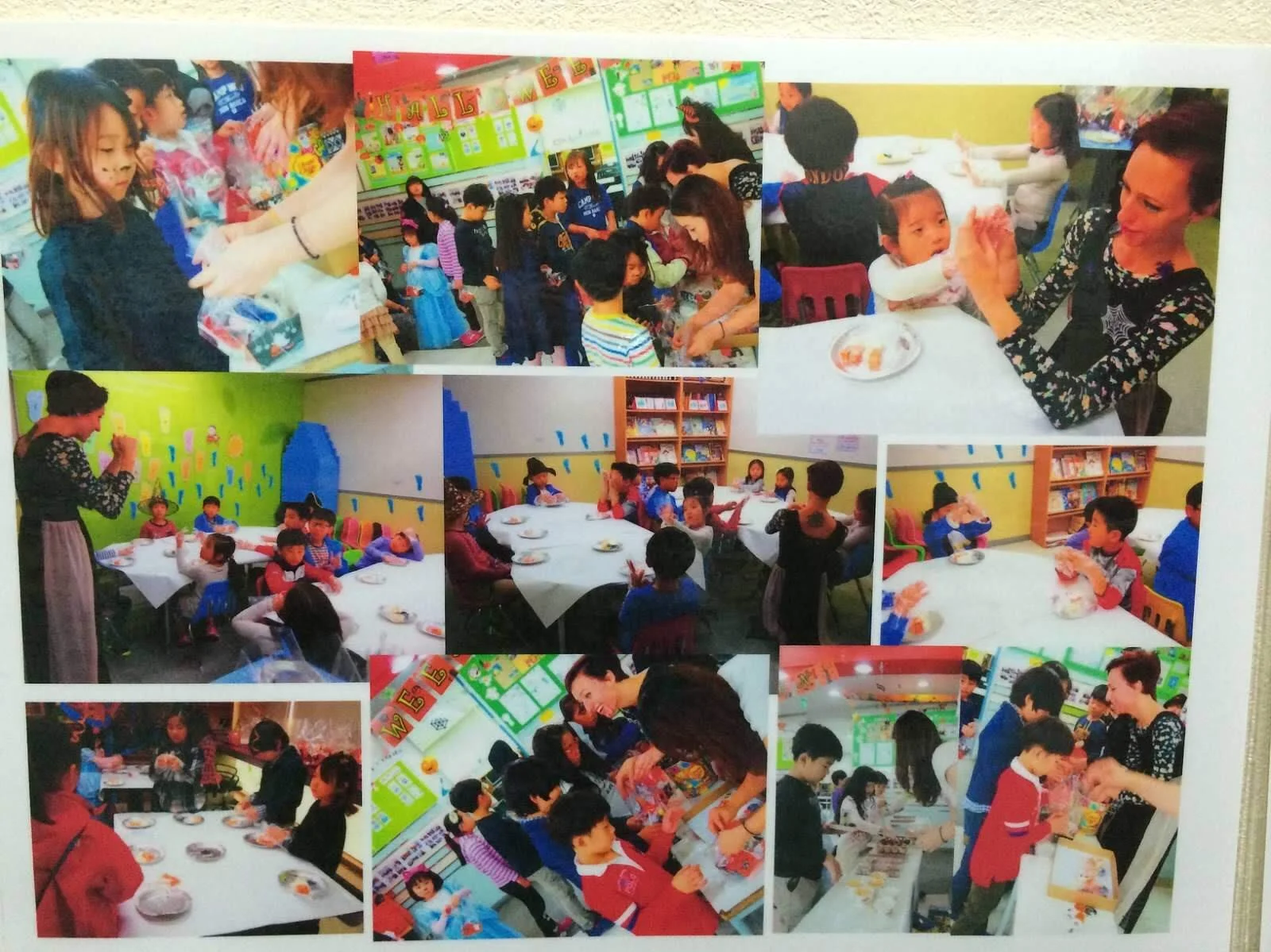
International Teaching: Three years working as a grade-school ESL teacher abroad, alongside a summer spent as a live-in nanny.
Specialized Family Support: Over five years on a versatile, rapid-response temporary nanny team, working with hundreds of children from infancy to pre-teens. My assignments ranged from supporting social services programs for families taking community parenting classes, to caring for the siblings of newborns in the NICU while parents visited, to working inside homes bustling with neurodiversity and complex sibling dynamics.
This experiential background provides me with a practical, somatic understanding of early attachment that simply cannot be learned from a textbook. In complex trauma work, healing from childhood wounds, unmasking neurodivergence, and navigating parenthood often means directly interacting with your inner child. Because I know these developmental stages intimately, I carry a deep reverence for the younger parts that live inside every adult client I treat. Together, we can use this perspective to understand your protective adaptations, decode your early history, heal relational wounds, and fully reconnect with who you are.
Loss & Grief
Bearing the Unbearable
Grief is not a problem to be solved, but a profound, messy, and deeply biological response to losing a piece of your world. Whether you are navigating a recent death, or the exhausting "long goodbye" of anticipatory loss, I provide a sanctuary where you are never rushed to move on. This space is equally held for those carrying a weight from many years ago that still feels heavy today, as well as those navigating complicated losses where the relationship was fraught or painful. I extend a special welcome to those suffering from losses which were traumatic in nature, and losses that society tends to minimize, such as the “disenfranchised grief” of mourning a beloved animal companion.
Using a neurobiologically-informed lens, we work to soothe a nervous system stuck in "high alert" or stuck in “shut down” and widen your window of tolerance so the waves of sorrow or conflicting emotions don’t wash you away. By combining compassionate narrative work with EMDR techniques, we gently unstick traumatic snapshots and the physical toll of mourning, helping you navigate the darkness until the loss is no longer a weight that sinks you, but a story integrated into the fullness of your life.